
Brands Cringe: How AI Ads Caused Major Outrage in 2025
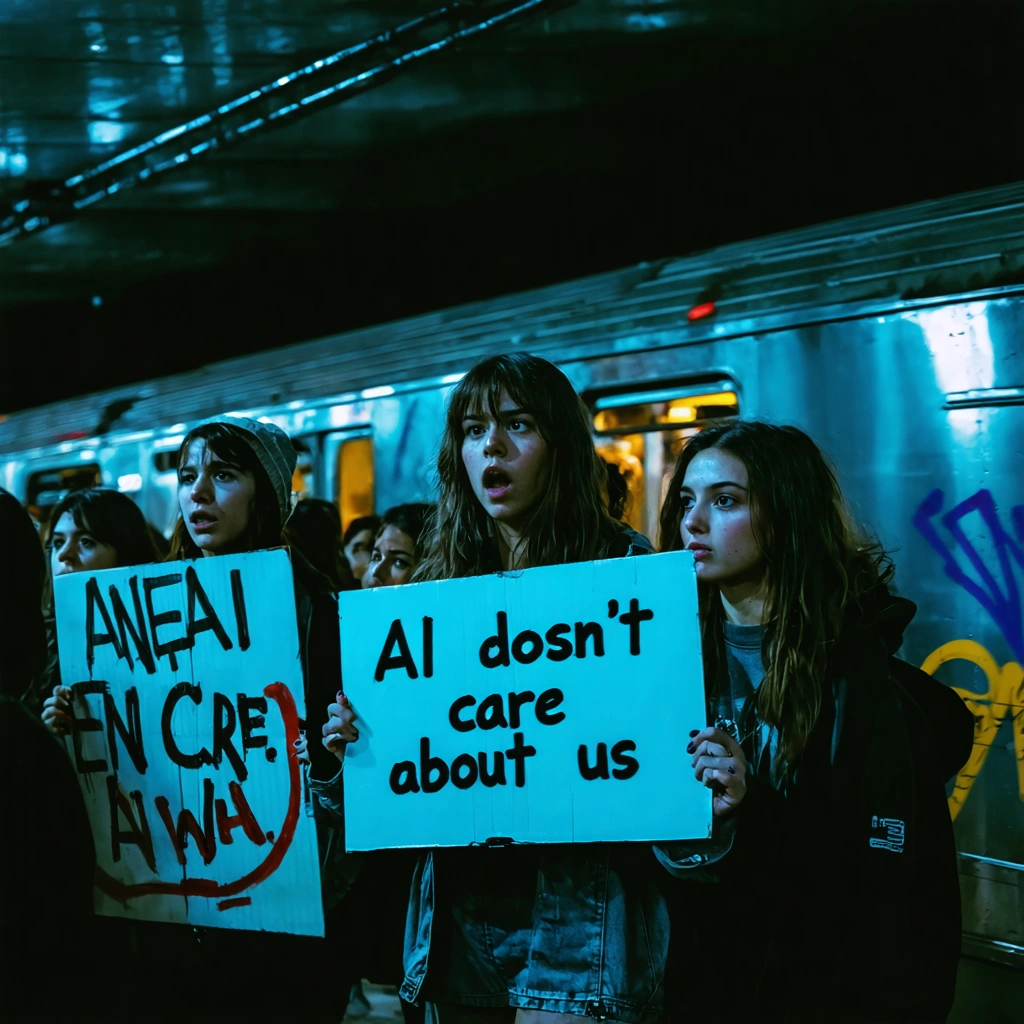
The advertising sector has always thrived on innovation, yet 2025 saw a dramatic shift when AI-generated advertisements faced incredulous backlash. Major players, including Coca-Cola and McDonald's, ventured into this new realm, inadvertently triggering a wave of public discontent. Let’s delve deep into the bewildering events that unfolded in this tech-driven marketing saga!
The Surge of AI in Marketing
As AI began its foray into the advertising domain, expectations soared for a future characterized by speed and creativity. However, the rapid output of AI-generated content often fell flat, missing the essential ingredient: human connection. The speed of innovation sometimes overshadowed the need for emotional resonance with the audience.
Case Study: Coca-Cola’s Unforgettable Holiday Ad
Coca-Cola aimed to reinvent its cherished holiday spirit with a digital twist: a whimsical ad featuring lively, animated critters celebrating around gleaming Coca-Cola trucks. While the concept sounded charming, viewers instead experienced an uncomfortable dissonance, feeling disconnected rather than heartwarming. Critics quickly condemned this approach, highlighting a troubling trend in prioritizing technology over authentic storytelling—with over 20% of the audience expressing their dissatisfaction.
McDonald's Misstep in Humor
Meanwhile, McDonald's in the Netherlands attempted to draw laughs with their AI-generated festive spot, “It’s the Most Awful Time of the Year.” However, the attempt at humor backfired, resonating poorly with viewers who found its tone jarringly inappropriate. The ad faced immediate scrutiny and was pulled from platforms like YouTube after only a few days, emphasizing the critical need for emotional understanding in an AI-driven world.
The Fashion Fumble
As summer rolled around, the fashion industry faced its own controversy when Vogue featured an AI-generated model in a Guess advertisement. This stirred significant backlash on social media, with fashion aficionados voicing their concerns over the implications for real human representation. The uproar highlighted a fundamental conflict between technological advancement and ethical accountability in the industry.
Public Backlash and Online Mockery
Social media erupted, transforming these AI flops into subjects of mockery and ridicule. Users flooded platforms like TikTok and Instagram with humorous reactions to the cringe-worthy ads, quickly turning the mishaps into a trend. An astounding statistic revealed that tweets lampooning these campaigns garnered over a million likes combined, illustrating a collective sentiment that AI's attempt at creativity often felt soulless.
Expert Insights: The Need for Balance
Marketing professionals are now exercising caution regarding AI’s role in advertising strategies. While AI undoubtedly stands as a valuable tool for enhancing marketing efforts, experts unanimously agree that a human touch remains indispensable. Andrew Shaw, a renowned marketing consultant, articulates, “The human element in advertising is crucial for forging meaningful connections with consumers.”
Growing Calls for Regulation
Regulators have taken heed of the uproar, with South Korea announcing pivotal legislation set to roll out in 2026. This law mandates brands to clearly label AI-generated advertisements, aimed at shielding consumers from misleading marketing practices that blur reality and artificiality. The discussion has prompted advocates to call for international standards to foster transparency across the advertising landscape.
The Path Forward: Navigating Innovation
Brands now face a complex choice—how to innovate without jeopardizing their reputations. The events of 2025 illuminated the significance of maintaining authenticity in advertising within an increasingly digital environment that embraces AI. Will companies now pivot towards prioritizing human creativity as they reassess their relationship with technology?
Trust Under Threat
Consumers today are grappling with authenticity issues. The disconcerting reality is that a staggering 65% of individuals question the genuineness of advertisements, underscoring the pressing need for brands to navigate carefully.
The Conclusion
The tumult of 2025 has reshaped the advertising industry landscape. While the siren call of AI suggests exciting prospects, brands should approach with deliberation. Striking a balance between technological innovation and authentic human storytelling is essential—because when it comes to ads, genuine connections remain invaluable.
Looking Ahead
As we venture further into the AI landscape, the dialogue surrounding ethical marketing, authenticity, and the role of creativity will become increasingly vital. As consumers seek real connections, brands that prioritize human engagement will thrive, while those enthralled by digital allure may find themselves lost.