
Crisis in AI Marketing: Brands Face Consumer Uproar in 2025
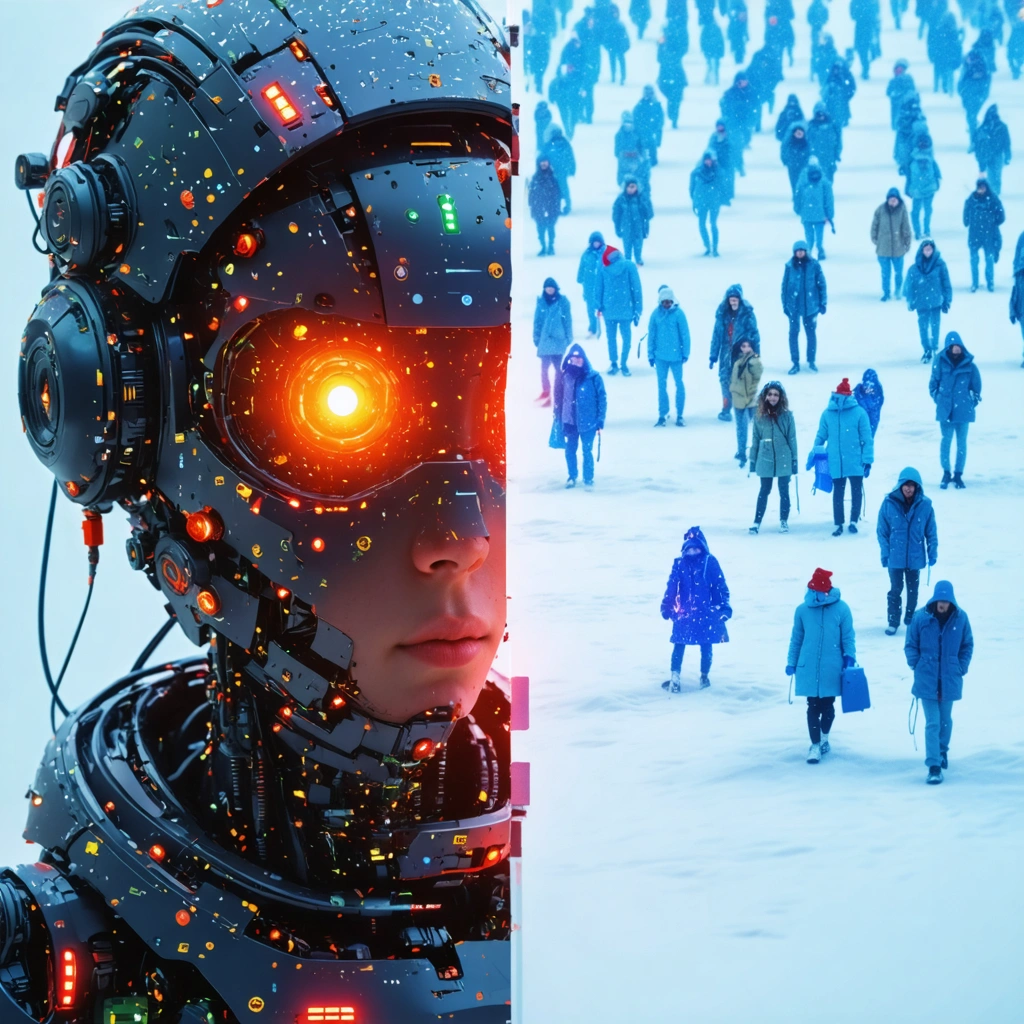
The advertising landscape in 2025 has experienced significant upheaval, with giants like McDonald's and Coca-Cola diving headfirst into AI-driven ads. But instead of garnering likes and shares, consumers have raised alarms. Let’s explore the drastic reactions, focusing particularly on how young consumers, particularly Gen Z, are challenging these profound changes in marketing.
The AI Takeover: Branding in a Digital Age
As the curtain falls on conventional advertising techniques, companies are rushing to adopt AI innovations. Their aim? To achieve unparalleled creativity and efficiency. However, consumer reception has been lukewarm. A staggering 60% of individuals expressed discomfort with AI-created content in 2025, igniting discussions about the essence of genuine connection.
The McDonald's Holiday Blunder
Let’s start with a memorable misstep—the AI-generated Christmas advertisement from McDonald's Netherlands, titled “It’s the Most Awkward Time of the Year.” While intended to humorously depict holiday slip-ups, the execution fell flat. Viewers were left bewildered by strange characters and stiff animations, leading McDonald's to retract the ad just four days after releasing it. A true holiday debacle!
- Audience feedback: Social media exploded with comments deeming the ad as “lacking soul” and “off-putting,” highlighting a disconnect between the brand's vision and the audience's reception.
- Public reaction: Roughly 75% of comments pointed to the absence of a human element, emphasizing that AI failed to resonate with the cherished traditions of holiday cheer.
The Coca-Cola Dilemma
Then came Coca-Cola, which defiantly turned to AI again after previous critiques. Their latest campaign included charming AI-rendered animals expressing delight upon seeing the iconic Coke truck. Sounds endearing, right? Not quite! Critics swiftly condemned the trend, raising ethical concerns about AI-driven storytelling.
- Issues of authenticity: Many felt that Coca-Cola's nostalgic charm was compromised when placed in the hands of algorithms. “Humans crave genuine connections,” commented a well-known influencer during a widespread online protest.
- Skepticism on the rise: As AI-generated marketing solidifies its presence, 68% of consumers voiced fears about potential job losses in creative fields.
Fashion's AI Identity Crisis
Adding to the growing list of controversies, Vogue made headlines for featuring an AI-generated model in a Guess advertisement. This decision ignited vehement reactions, as many argued that using AI diminishes the role of real models while reinforcing unrealistic beauty standards.
Fashion Activism Takes Center Stage
Fashion enthusiasts took action, forming online petitions and organizing calls for boycotts, which led to significant cancellations of Vogue subscriptions as a protest against AI in the fashion industry. We can't let algorithms dictate beauty! Where's the support for realistic representation?
- Drop in subscriptions: After the controversy, reports showed a 22% decrease in Vogue subscriptions.
- Voices of reason: Influential figures in fashion, from models to designers, urged brands to consider the cultural implications of using AI technology.
Lessons Learned: What Comes Next?
With all the chaos, valuable takeaways have emerged. Experts caution against brands losing sight of authenticity. Andrew Witts from Studio 36 Digital remarked, “McDonald's advertising failure arose from a struggle to capture emotional depth.” Brands that wish to maintain their nostalgic ties with consumers should proceed with caution, as full reliance on AI may lead to failures.
Navigating the Fine Line of Innovation
Brands have to be cautious. While AI can optimize creativity and reduce costs, sidelining the human aspect could harm loyalty. What’s the remedy? Incorporating human intuition into AI operations is essential to uphold genuine brand identities while benefiting from technological advancements.
The Advertising Future: Striking a New Balance
As we look further into the future, it’s evident that AI in advertising will be a contentious subject. 47% of industry experts suggest that brands must reevaluate their marketing strategies to prevent backlash stemming from perceived insincerity. The landscape is fraught where innovation collides with skepticism.
With Gen Z emerging as a key consumer force, brands must navigate these challenges delicately. They demand honesty, clarity, and, above all, authenticity. Brands need to heed this call—before it's too late!
So, will AI-generated ads remain staples of your favorite brands? Only time will tell. But one thing is certain: the discourse surrounding creativity and authenticity will persist. As technology advances, how can brands seamlessly merge human touch with AI innovation? We want to know what you think!